




2025 has been a year of marketers taking bigger swings. Some trends have pushed creativity forward and helped brands connect in smarter, more human ways. Others? Not so much.
As a full-service digital marketing agency, we’re constantly watching new tactics emerge and pressure-testing trends before they ever reach our clients. We’re not going to judge you if you’ve tried any of these trends. In fact, it’s never a bad idea to test new tactics, but being intentional about it is crucial.
Below are the marketing trends we’ve seen gain traction in 2025, that we have... mixed feelings about, to say the least.

QR Codes Are Overused (and Often Misused)
QR codes have started gaining relevance again, and in the right context, they aren’t necessarily the worst thing. But how you use them is important.
If you don’t put enough thought into why you’re using them, they don’t really add any value and become an eyesore. Here are a few examples of ways we’ve seen QR codes used incorrectly:
- Social graphics that already link somewhere else (You’d have to save either the image of the QR code to your phone, or use another phone to scan it. It’s best not to use QR codes digitally at all.)
- Print materials with unclear or unnecessary destinations
- Event signage with no explanation of why you should scan
When QR codes are used as shortcuts rather than as a strategy, they become annoying rather than convenient. If they aren’t actively actually making your target audience’s life easier, then they’re not worth pursuing.
This trend often misses the mark because users don’t trust random QR codes with unclear paths. Not only that, if there’s no clear incentive to scan the code, it’s probably getting scrolled past anyway. This results in many underwhelming, redundant experiences, leading most to avoid scanning codes entirely.
If the QR code doesn’t clearly answer “What’s in it for me?” don’t use it. Direct links, clear CTAs and well-placed URLs often perform better and feel less gimmicky.
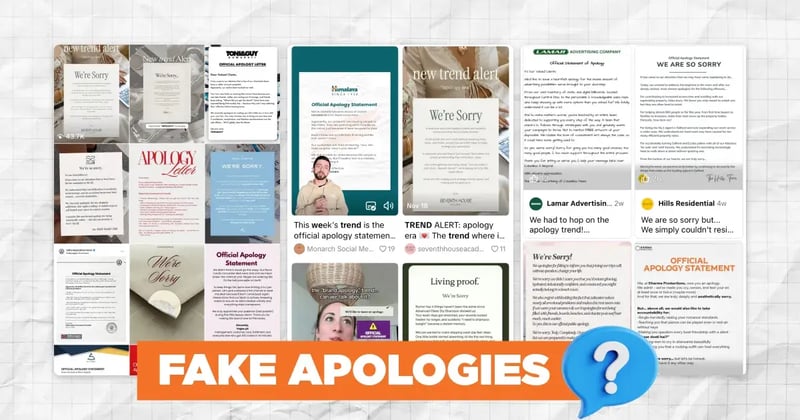
The “Fake Apology” Social Trend
You’ve probably seen it: A brand posts a dramatic apology, hints at controversy and then reveals… nothing happened. It was all just a setup for engagement. Sure, it will probably get you the engagement you’re after, but you risk eroding your target audience’s trust.
We highly recommend avoiding this trend, as it manipulates audiences rather than respecting them and relies on baiting them. It cheapens genuine accountability when brands actually mess up.
Audiences in 2025 are sharper than given credit for. They can spot manufactured drama from a mile away, and they remember which brands wasted their time. If your brand has something to apologize for, do it honestly; if it doesn’t, don’t borrow the language of accountability to chase clicks.
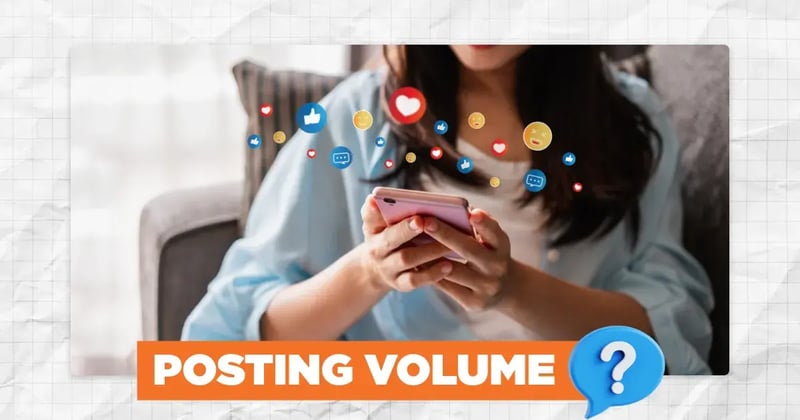
Posting More Instead of Posting Better
Somewhere along the way, “consistency” got confused with “volume.”
In 2025, many brands are reacting to the attention economy by constantly posting without improving the quality, clarity or purpose of their content.
More posts.
More noise.
Same results (or worse).
This trend falls flat because audiences will feel fatigued from seeing so many posts. Weak content also erodes trust faster than intentionally posting well-thought-out, valuable content. Your team will also suffer from quick turnarounds and potential burnout.
The brands winning right now aren’t the loudest. They’re the clearest and provide the most value. One thoughtful, well-positioned piece of content will consistently outperform five rushed posts.
Trends Aren’t the Problem, Blind Adoption Is
Not every trend is bad. The real issue is adopting tactics because they’re popular, not because they’re right for your audience or goals.
If a trend doesn’t make your marketing clearer, more helpful or more human, it’s probably not worth chasing.
If you want help filtering trends through a strategy lens (and avoiding the ones that create more headaches than results), that’s exactly where we come in.